


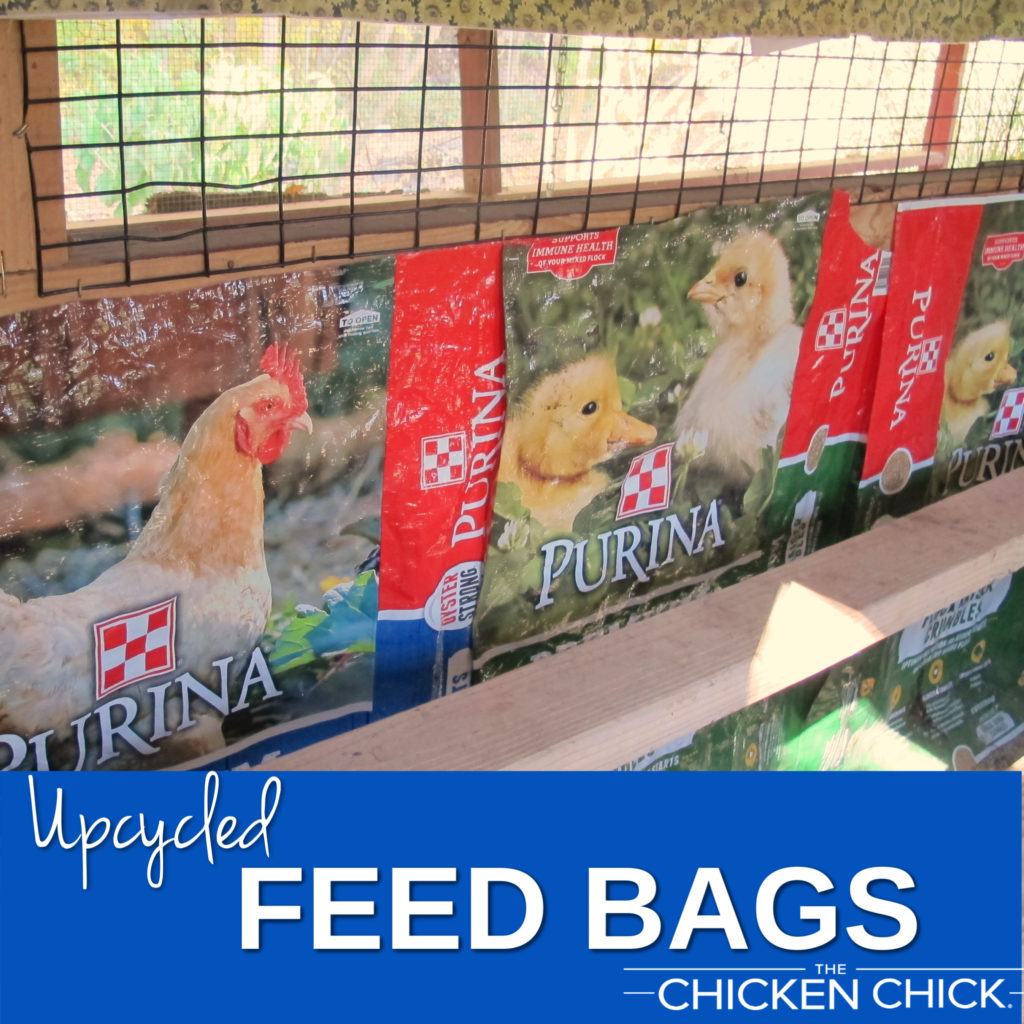
If you are a chicken-keeper, then surely you have gone through more bags of feed than you care to recall. I always have empty feed bags on hand and have no shortage of uses for them!
Framed feed bag art for my chicken coop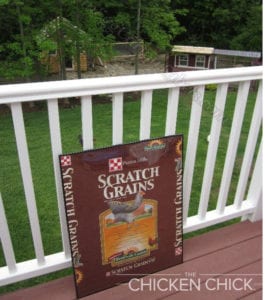
COOP ART. There are many uses for feed bags, from garden weed blocker to tote bags. I even created ‘art’ for my chicken coop by placing the front half of a feed bag in a plastic 16″ X 20″ frame.
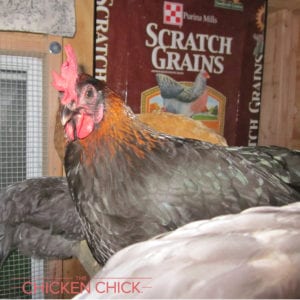
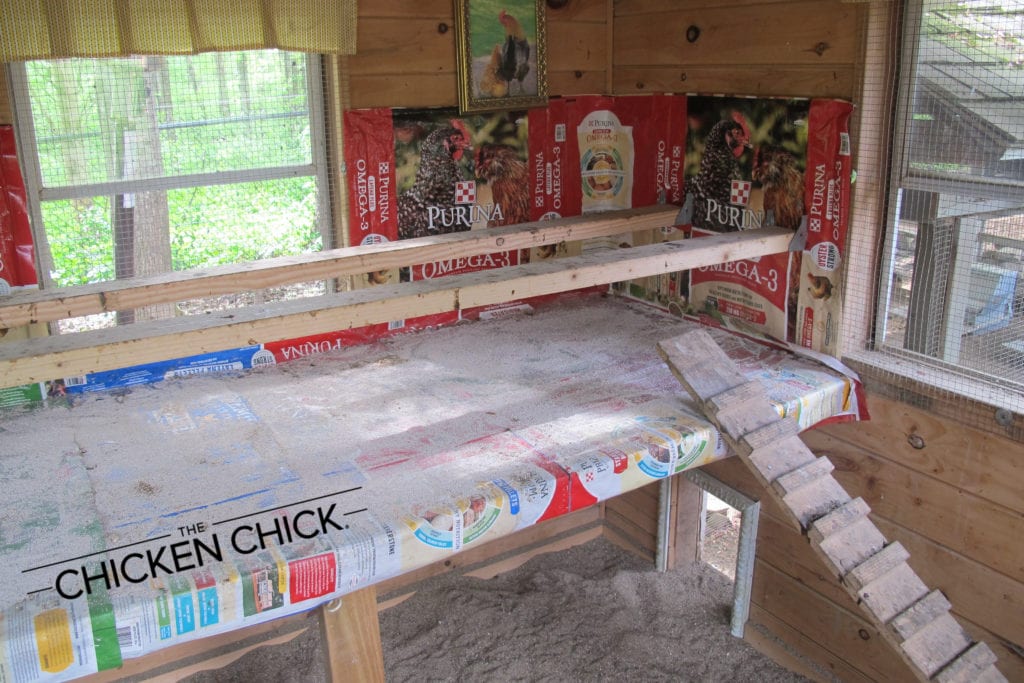
DROPPINGS BOARDS LINERS. Staple empty feed bags onto droppings boards underneath roosts to facilitate the removal of droppings from the coop daily to ensure a dry, clean, healthy environment for chickens.
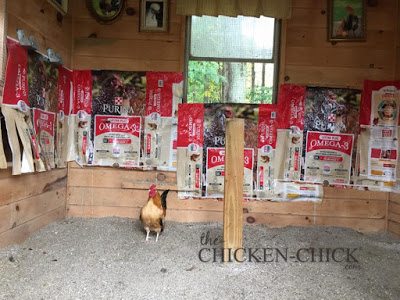
Staple empty feed bags onto the walls behind the roosts. It’s much easier to replace soiled feed bags than it is to scrape chicken poop off the walls!
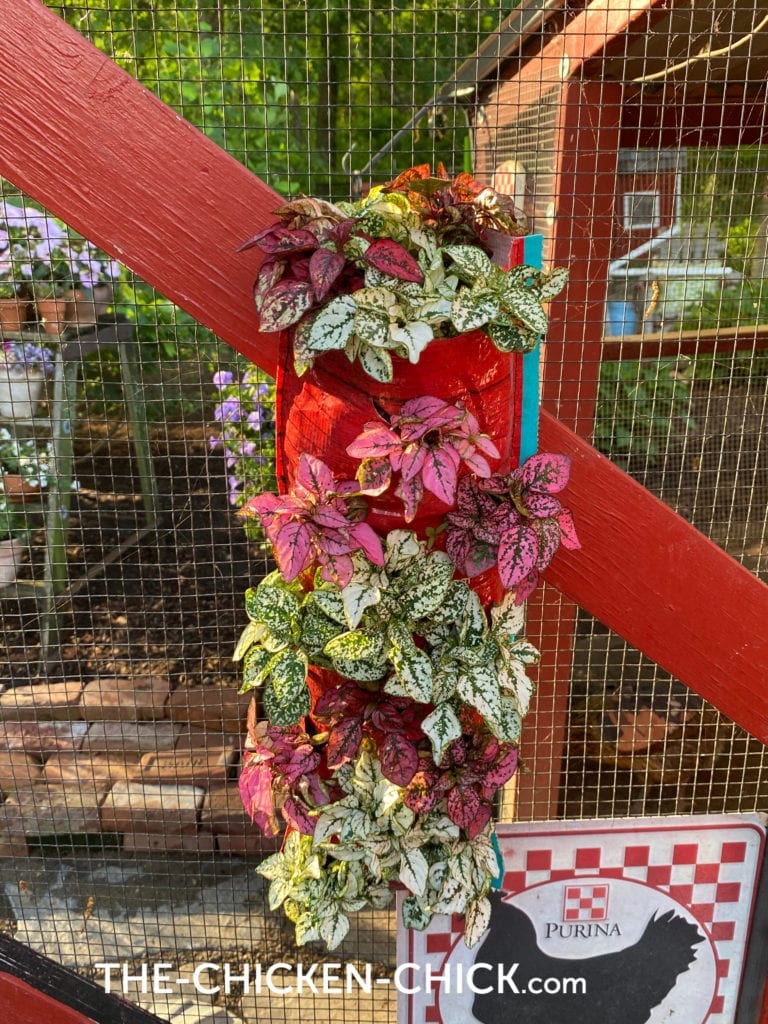
FEED BAG FLOWER POUCH. View the video tutorial for these adorable feed bag flower pouches on my Facebook page at this link!
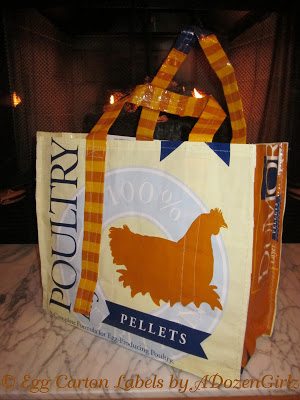
TOTE BAG: Here is my best attempt to date at sewing a tote bag from feed bags. It’s sturdy and spacious, but as I am barely competent to drive a sewing machine, I have no tutorial to share. I totally punted.
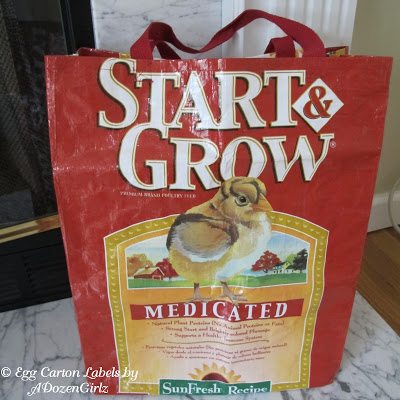
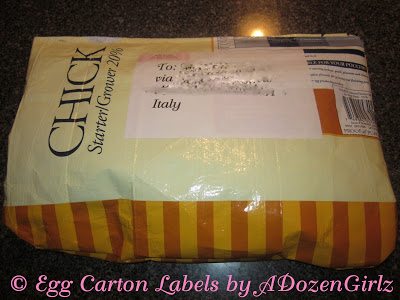
SUBSTITUTE TYVEK MAILING ENVELOPE: I forgot to pick up shipping envelopes for mailing merchandise to Italy one day when it occurred to me that feed bags are at least as sturdy as Tyvek®, so out came the sewing machine again!
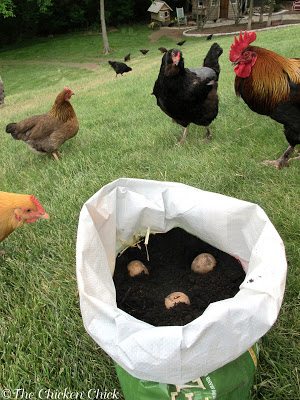
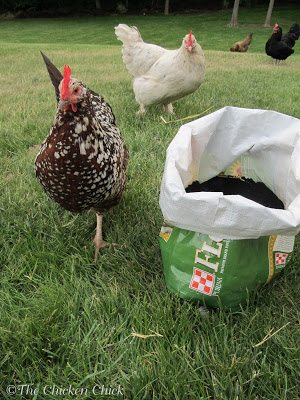
“TATER TOTES” POTATO GROW BAGS: Learn how to grow potatoes in a feed bag HERE!
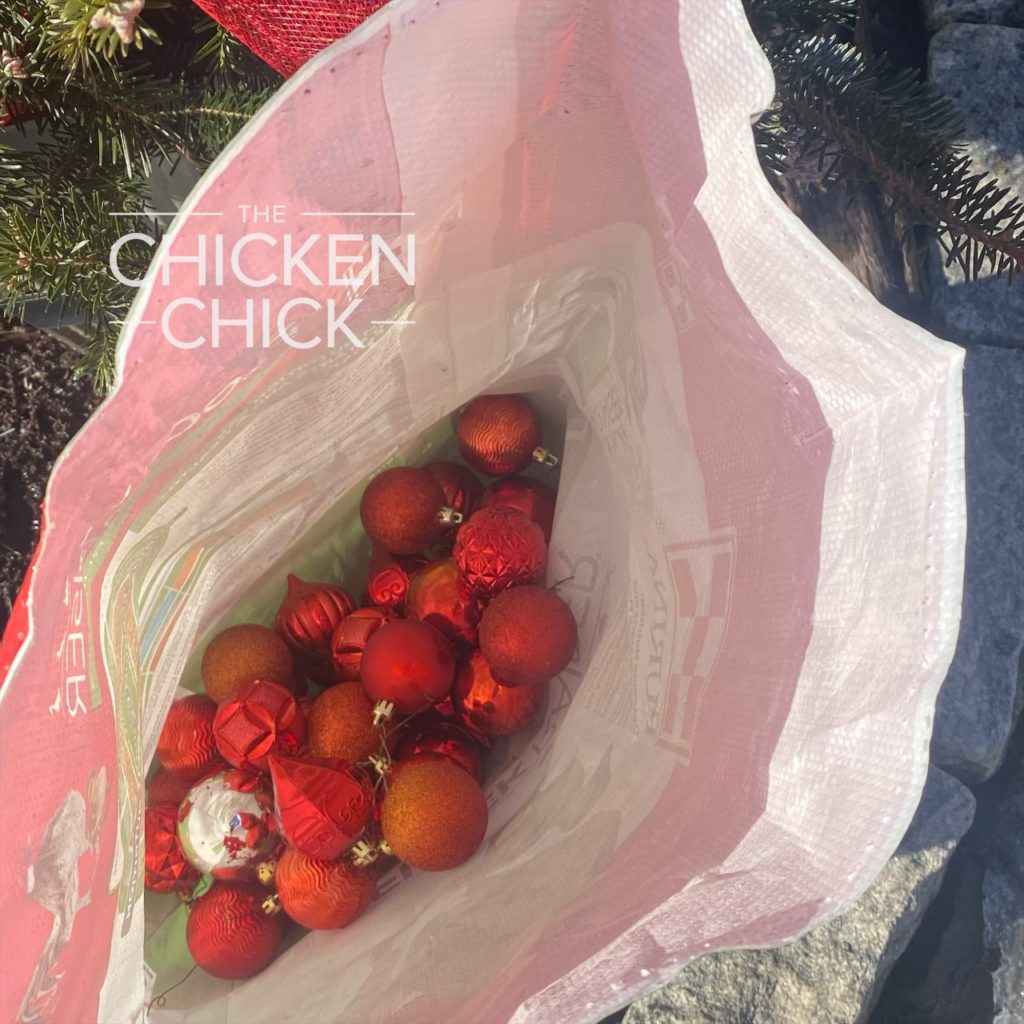
“CHRISTMAS FEED BAG STOCKINGS: Get my Christmas stocking tutorial with template HERE!
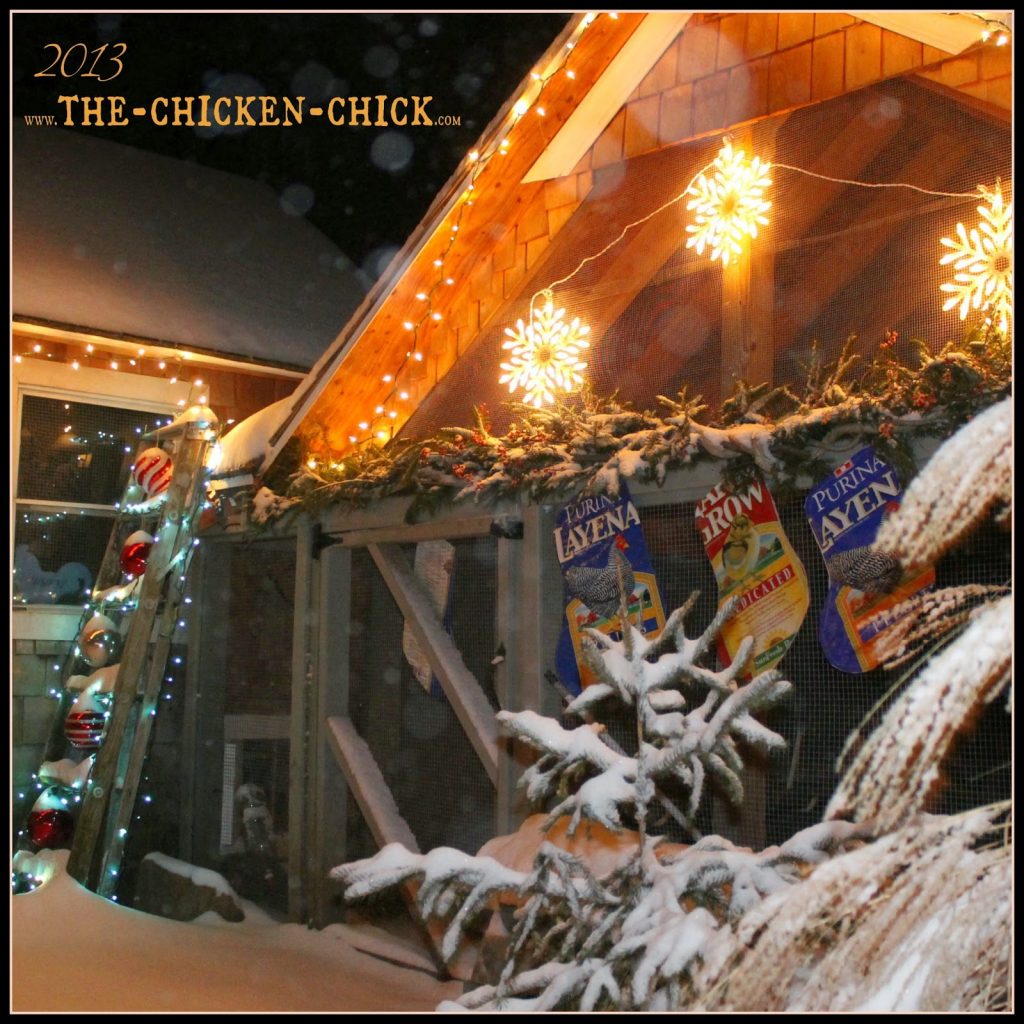

Some other great uses for feed bags are: a tablecloth, garden weed-blocker, place-mats, coop water-proofing, tarp, coop insulation, sick bay crate liner, beehive winter shelter windbreak.
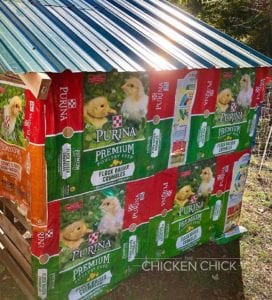
Stapled to my winter beehive shed, empty feed bags act as a windbreak, providing protection from harsh, winter winds and precipitation.

Kathy Shea Mormino
Affectionately known internationally as The Chicken Chick®, Kathy Shea Mormino shares a fun-loving, informative style to raising backyard chickens. …Read on






If you are a chicken-keeper, then surely you have gone through more bags of feed than you care to recall. I always have empty feed bags on hand and have no shortage of uses for them!
Framed feed bag art for my chicken coopCOOP ART. There are many uses for feed bags, from garden weed blocker to tote bags. I even created ‘art’ for my chicken coop by placing the front half of a feed bag in a plastic 16″ X 20″ frame.
DROPPINGS BOARDS LINERS. Staple empty feed bags onto droppings boards underneath roosts to facilitate the removal of droppings from the coop daily to ensure a dry, clean, healthy environment for chickens.
Staple empty feed bags onto the walls behind the roosts. It’s much easier to replace soiled feed bags than it is to scrape chicken poop off the walls!
FEED BAG FLOWER POUCH. View the video tutorial for these adorable feed bag flower pouches on my Facebook page at this link!
TOTE BAG: Here is my best attempt to date at sewing a tote bag from feed bags. It’s sturdy and spacious, but as I am barely competent to drive a sewing machine, I have no tutorial to share. I totally punted.
SUBSTITUTE TYVEK MAILING ENVELOPE: I forgot to pick up shipping envelopes for mailing merchandise to Italy one day when it occurred to me that feed bags are at least as sturdy as Tyvek®, so out came the sewing machine again!
“TATER TOTES” POTATO GROW BAGS: Learn how to grow potatoes in a feed bag HERE!
“CHRISTMAS FEED BAG STOCKINGS: Get my Christmas stocking tutorial with template HERE!
Some other great uses for feed bags are: a tablecloth, garden weed-blocker, place-mats, coop water-proofing, tarp, coop insulation, sick bay crate liner, beehive winter shelter windbreak.
Stapled to my winter beehive shed, empty feed bags act as a windbreak, providing protection from harsh, winter winds and precipitation.

@Purplpig27: I was serious about having the sewing skills of a 6th grader. I have a sewing machine and I use the needle that came with it and any stitch that I can get to not bunch up on the other side. LOL Sorry! I'm sure yours will look better than mine do. :)
I love the tote bag idea! SO, tell me what size thread and needles would you use? Can you do it on a regular machine? What kind of stitch? Thanks!
I gave made totebags from tyvek feedsacks and even sold a few. I used regular threads and needles.