


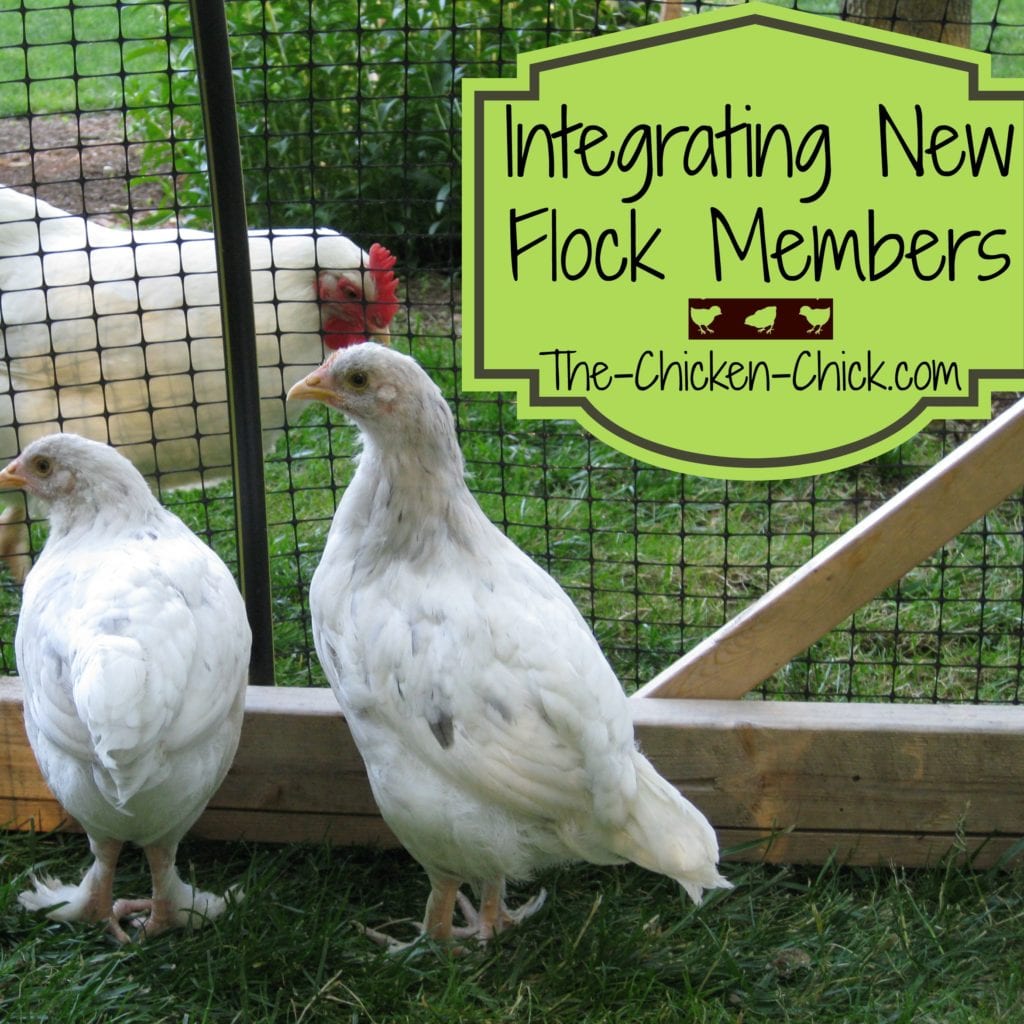
Integrating new chickens into an existing flock does not have to be unduly stressful for the chicken keeper or the chickens. The main concern is always that the two groups of chickens will not get along, but if done correctly, it can be done without drama or bloodshed. I use an approach to flock integration that I call the Playpen Method. I have used it successfully with each addition to my flock over the years.
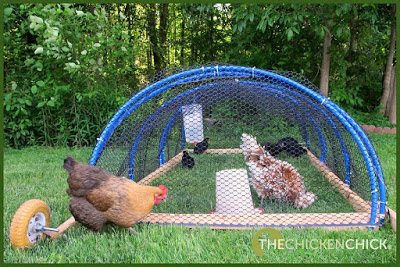
The Playpen Method is simple: allow the newbies and the original flock members to see and hear each other without having physical contact for a period of time. This allows both groups to familiarize themselves with one another while maintaining a “safe zone” for the new chickens. Integrating new flock members should be done slowly in order to minimize the stress on everyone. The process will take varying amounts of time depending on the flock and individual personalities within the flock.
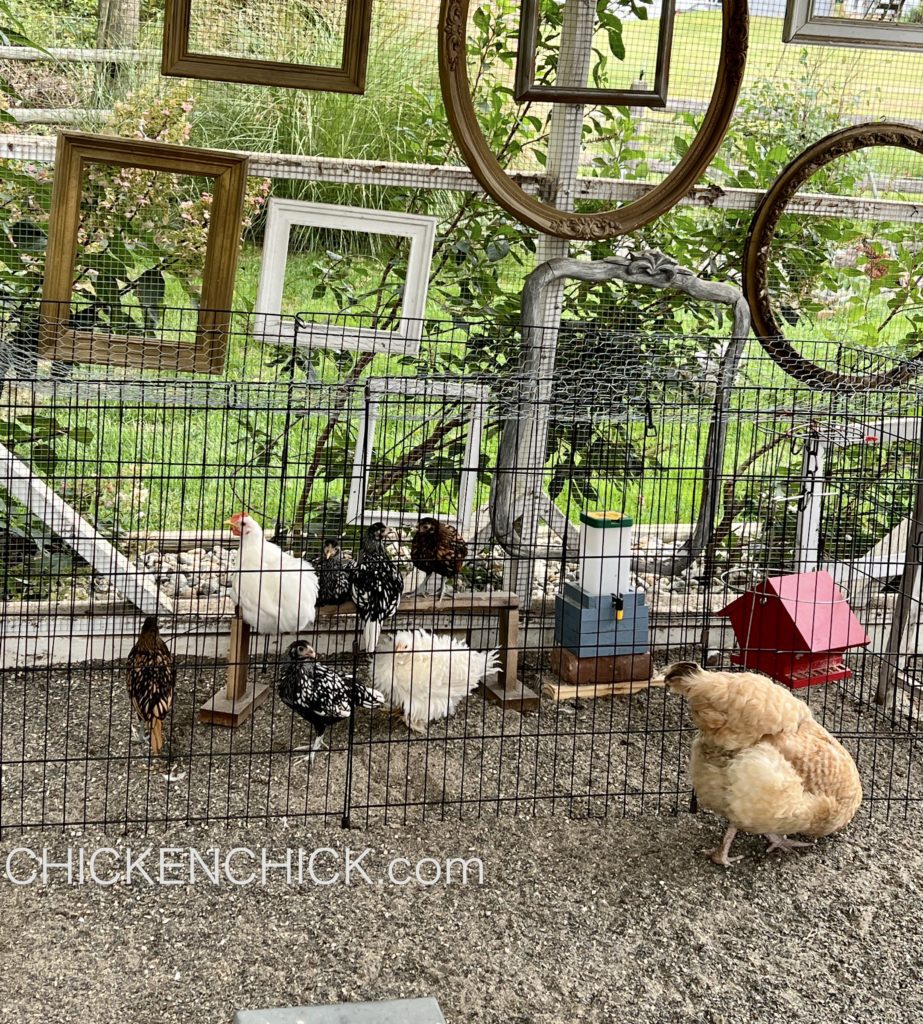
The Playpen Method entails creating a confinement system (aka: playpen) for the newbies in the vicinity of the flock. This can mean that the flock remains in the run with a small, separate playpen near or in the run for the newbies. It can also mean that the flock free-ranges with the newbies in a playpen nearby.
I have used several different playpens for my newbies but the technique is always the same: look but don’t touch. Water and feed should be made available to the birds in the playpen at all times. After the confinement period of approximately a week, provide the newbies with an opening from the playpen to venture out if and when they wish. Both sets of birds should be ignoring each other by this point. The newbies will typically stay close to the playpen and maintain a safe distance from the flock initially, but eventually they will become comfortable and begin mingling freely. It is normal for the existing flock members to explore inside the playpen and will make it clear to the newbies that they are in charge, however, there should never be excessive chasing, harassment, bullying, aggression or similar monkey business. If hostility is persistent, the newbies should be returned to the playpen for a few more days before trying again.
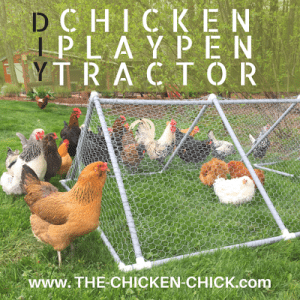
The newest chicken tractor Mr. Chicken Chick built. Get the DIY instructions HERE!
dog kennelbelow is subdivided for two different age groups of chickens. The ‘teenage’ chickens will reside here for a week until being moved to the grow-out coop next door. When they are moved, I will close off the nest boxes for the first week or two, which will prevent anyone from hiding or sleeping in them and teach them to sleep on roosts as they should. When chickens get into the habit of sleeping in nest boxes they soil the nesting material where eggs will be laid. Good coop management and flock training leads to clean eggs.
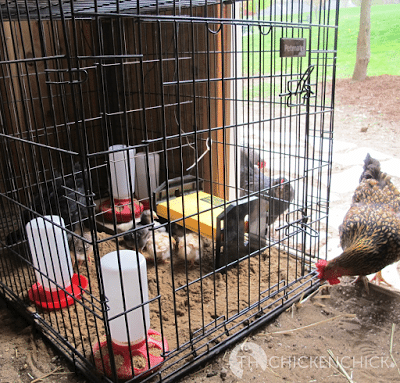
Newbies whose playpen is NOT in the coop, are put in the playpen every morning and returned to the brooder at night until I’m certain they’re reasonably comfortable with the flock. It’s a little tricky to get them to understand the concept of going into the coop at night, however, as they have not been trained to the coop yet. When they are placed into the coop full-time, I close off the nest boxes as described above to discourage sleeping and pooping in them. This process will vary depending upon a variety of factors, including coop setup and available equipment.
Some minor scuffling is to be expected as the established pecking order is shaken up. However, if there is any persistent bullying or bloodshed, remove the victim from the general population immediately, clean their wounds and keep them physically separated (ideally, within the flock) until they are fully healed. This is necessary for their own safety. If the victim is bullied upon her return to the flock, separate the aggressor in a playpen within the flock for a few days to prevent physical interaction. The goal is to reduce the aggressor’s stress, promote her familiarity with the newbies from a safe distance.

Kathy Shea Mormino
Affectionately known internationally as The Chicken Chick®, Kathy Shea Mormino shares a fun-loving, informative style to raising backyard chickens. …Read on







Integrating new chickens into an existing flock does not have to be unduly stressful for the chicken keeper or the chickens. The main concern is always that the two groups of chickens will not get along, but if done correctly, it can be done without drama or bloodshed. I use an approach to flock integration that I call the Playpen Method. I have used it successfully with each addition to my flock over the years.
The Playpen Method is simple: allow the newbies and the original flock members to see and hear each other without having physical contact for a period of time. This allows both groups to familiarize themselves with one another while maintaining a “safe zone” for the new chickens. Integrating new flock members should be done slowly in order to minimize the stress on everyone. The process will take varying amounts of time depending on the flock and individual personalities within the flock.
The Playpen Method entails creating a confinement system (aka: playpen) for the newbies in the vicinity of the flock. This can mean that the flock remains in the run with a small, separate playpen near or in the run for the newbies. It can also mean that the flock free-ranges with the newbies in a playpen nearby.
I have used several different playpens for my newbies but the technique is always the same: look but don’t touch. Water and feed should be made available to the birds in the playpen at all times. After the confinement period of approximately a week, provide the newbies with an opening from the playpen to venture out if and when they wish. Both sets of birds should be ignoring each other by this point. The newbies will typically stay close to the playpen and maintain a safe distance from the flock initially, but eventually they will become comfortable and begin mingling freely. It is normal for the existing flock members to explore inside the playpen and will make it clear to the newbies that they are in charge, however, there should never be excessive chasing, harassment, bullying, aggression or similar monkey business. If hostility is persistent, the newbies should be returned to the playpen for a few more days before trying again.
The newest chicken tractor Mr. Chicken Chick built. Get the DIY instructions HERE!
dog kennelbelow is subdivided for two different age groups of chickens. The ‘teenage’ chickens will reside here for a week until being moved to the grow-out coop next door. When they are moved, I will close off the nest boxes for the first week or two, which will prevent anyone from hiding or sleeping in them and teach them to sleep on roosts as they should. When chickens get into the habit of sleeping in nest boxes they soil the nesting material where eggs will be laid. Good coop management and flock training leads to clean eggs.
Newbies whose playpen is NOT in the coop, are put in the playpen every morning and returned to the brooder at night until I’m certain they’re reasonably comfortable with the flock. It’s a little tricky to get them to understand the concept of going into the coop at night, however, as they have not been trained to the coop yet. When they are placed into the coop full-time, I close off the nest boxes as described above to discourage sleeping and pooping in them. This process will vary depending upon a variety of factors, including coop setup and available equipment.
Some minor scuffling is to be expected as the established pecking order is shaken up. However, if there is any persistent bullying or bloodshed, remove the victim from the general population immediately, clean their wounds and keep them physically separated (ideally, within the flock) until they are fully healed. This is necessary for their own safety. If the victim is bullied upon her return to the flock, separate the aggressor in a playpen within the flock for a few days to prevent physical interaction. The goal is to reduce the aggressor’s stress, promote her familiarity with the newbies from a safe distance.



First, I ran out right away and took out nest boxes. No sleepy in them anymore. Now, the main thing. I ran out right away and set up a corral next to the others. I have a rock pullet I had to remove for conjunctivitis that has been a bear to heal and had worried about having her out too long. I should have done this from the beginning to avoid this, but now I know. Anyways, do you think it would be a good idea to remove boss lady for a day or switch pens to allow smoother entry… Read more »
Susan, you shouldn't need to remove Boss from the flock. As long as you re-integrate your sick girl in a slow, methodical method as described above, you shouldn't have any problems. Don't rush it though. You want Boss and your Plymouth Rock to become reacquainted with each other from a safe distance. Boss will still try to push her around a little bit, but just monitor their behavior for a little while to be sure it's normal and not violent behavior. They should do fine.
I did this when Nugget recovered her leg problems. Kept her close but confined away from the others. Then when it was time to relocate her back to the group, I changed the entire setup. I moved things all around, so all of them had to learn everything all over again. Kept them to busy to bother with Nugget. The only thing I notice is she is not aggressive at all towards any of the others. The rest take turns establishing the pecking order. Banties although small, don't take no greif from any of the larger birds…..lolI Love my Chickens….Ilean… Read more »