


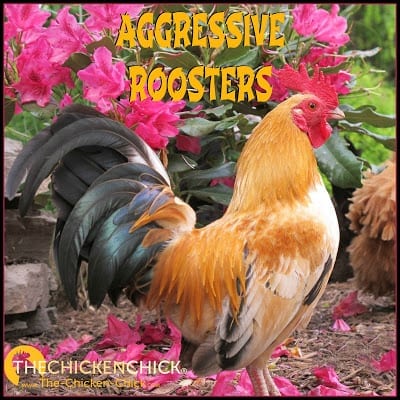
Most roosters are not aggressive towards people, but when one is, what is a backyard chicken keeper to do? Nobody wants to live in fear of being flogged, attacked, spurred or chased by one of their pet chickens and no one wants a child to be hurt or traumatized in their backyard. It can be confusing and upsetting to have a cockerel who was raised from a day old chick, handled often and spoiled, suddenly become aggressive. There may be a temptation to believe that human-aggressive roosters are mean, nasty, bad, evil, hostile, hate people or there was something someone did to cause the unwanted behavior, but none of that is true.
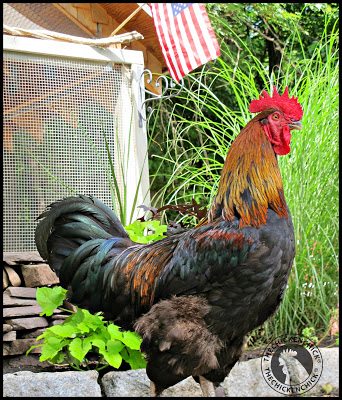
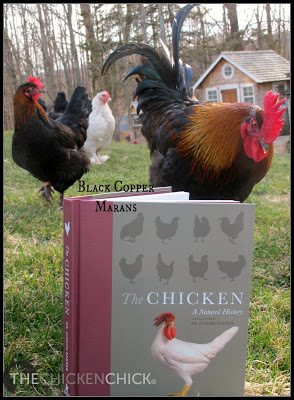
Blaze, Black Copper Marans rooster
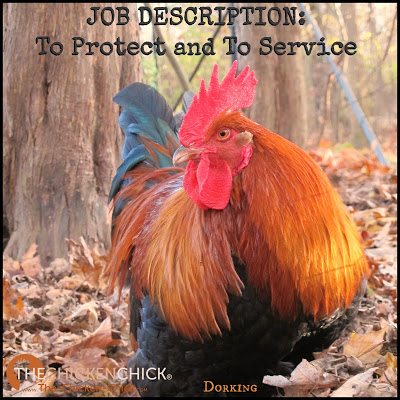
Sparky, Black Copper Marans rooster
THE ROOSTER’S JOB
Roosters essentially have two jobs within a flock: To Protect and To Service. Flock survival depends on his ability to protect the hens and preserve his genes by mating. Just as there are different ways for humans to perform a given job, there are different ways for roosters to protect their flocks. Heredity, hormones, breed and individual disposition all play roles in determining which young males become aggressive adults.
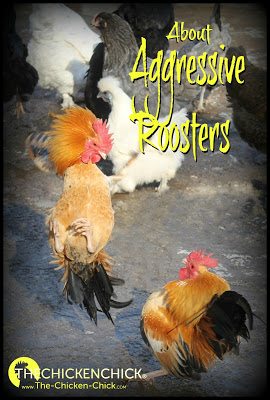
THE ROOTS OF ROOSTER AGGRESSION
Historical Context
Historically, chickens were domesticated for sport. According to the authors of “The Chicken, A Natural History,” cockfighting originated in the Far East, dating as far back as 500 BCE in Ancient Greece and the Roman Empire. Cockfighting did not begin to fall out of favor in most societies until the 19th century. Certain breeds have been selectively bred for cockfighting and aggression over time, so it is reasonable to expect those breeds to retain the genetics for such aggression. Cornish, Malay, Modern Game and Shamos are classic examples of fighting breeds.

Prey Animals
Chickens are prey animals, which predisposes them to being suspicious of novel things and to view the unfamiliar, sudden or strange as a potential threat to their existence. A rooster is constantly on alert watching and listening for potential incursions into his territory. When he perceives a threat, it is his job to protect and defend them by any means necessary, including chasing threats away and sacrificing his life fighting a predator. Prey animals do not think like predators (humans, dogs, raccoons, coyotes, etc). Survival is the name of the chicken game and the head rooster is in charge of ensuring flock survival.
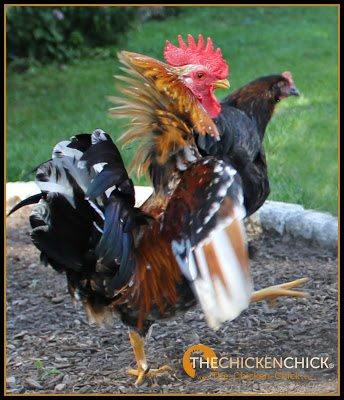
Brutus, Serama rooster
Disposition
Every rooster is an individual with a unique personality, which may or may not meet any of the expectations for his breed. Any rooster of any breed can become aggressive just as any rooster of any breed can be a teddy bear.
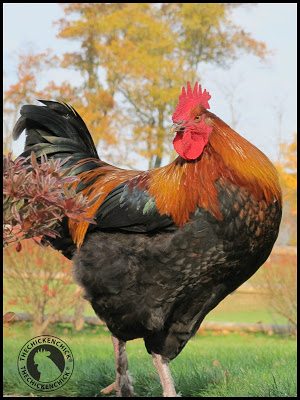
Sparky, Black Copper Marans rooster
Hormones
Aggression typically becomes apparent in cockerels when they reach puberty, generally any time after four months old. Sexual maturity ushers in the full load of testosterone, which is a behavior game changer for some. Sometimes male chicks exhibit chest-bumping, tough-guy behaviors, but more often than not it becomes obvious when a cockerel reaches sexual maturity and his hormones approach adult levels. A cockerel cannot be raised not to be an aggressive adult. All the handling, cuddling, talking, treat-offerings and spoiling in the world will not overcome heredity, hormones and individual disposition.
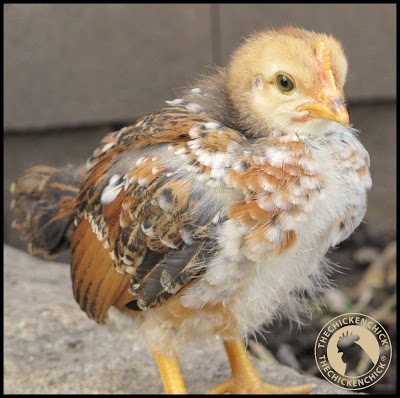
Spartacus, Serama x Red Sex Link
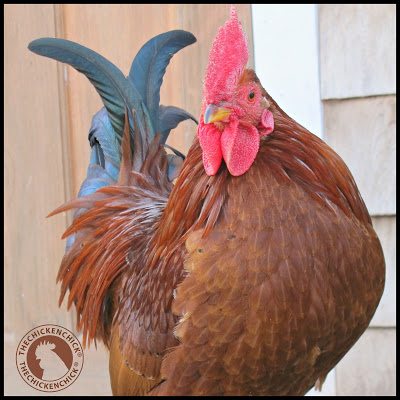
Is it possible to teach a rooster not to be aggressive?
No. You cannot prevent or cause aggression in a rooster. A cockerel cannot be raised in a way that ensures they will not become an aggressive adult regardless of any claim to the contrary. It may be possible for some people to work with particular roosters to come to an understanding with them, working within their social structure and rules, however, it is an extremely time-consuming process that every human coming into contact with that rooster would need to complete. So, while theoretically the primary caretaker of the flock might be able to convince an aggressive rooster that they are not a threat to the flock after much conditioning, other people, particularly children will still be at risk of being injured, frightened and worse.
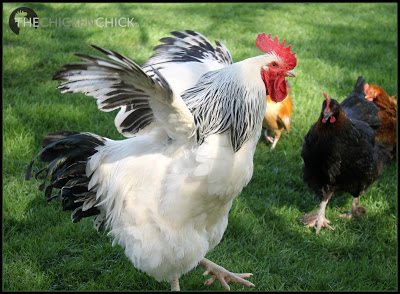
Human Code of Conduct
It is never appropriate to be violent or aggressive towards roosters, nor is it acceptable to attempt to intimidate, humiliate or shame them. Never grab, push, swipe at, swat, chase, hobble, leash, kick or hold a rooster upside down in an attempt to establish dominance- doing so simply serves to reinforce his perception of certain humans as threats.
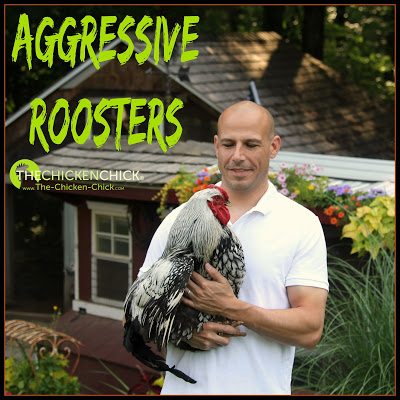
Sylvio, Silver Laced Wyandotte rooster with Mr. Chicken Chick
What to Do with an Aggressive Rooster
Backyard chicken keepers who do not want or cannot keep an aggressive or territorial rooster in their flock should try to find him a home, preferably on a large property where his protective nature will be an asset to a flock.
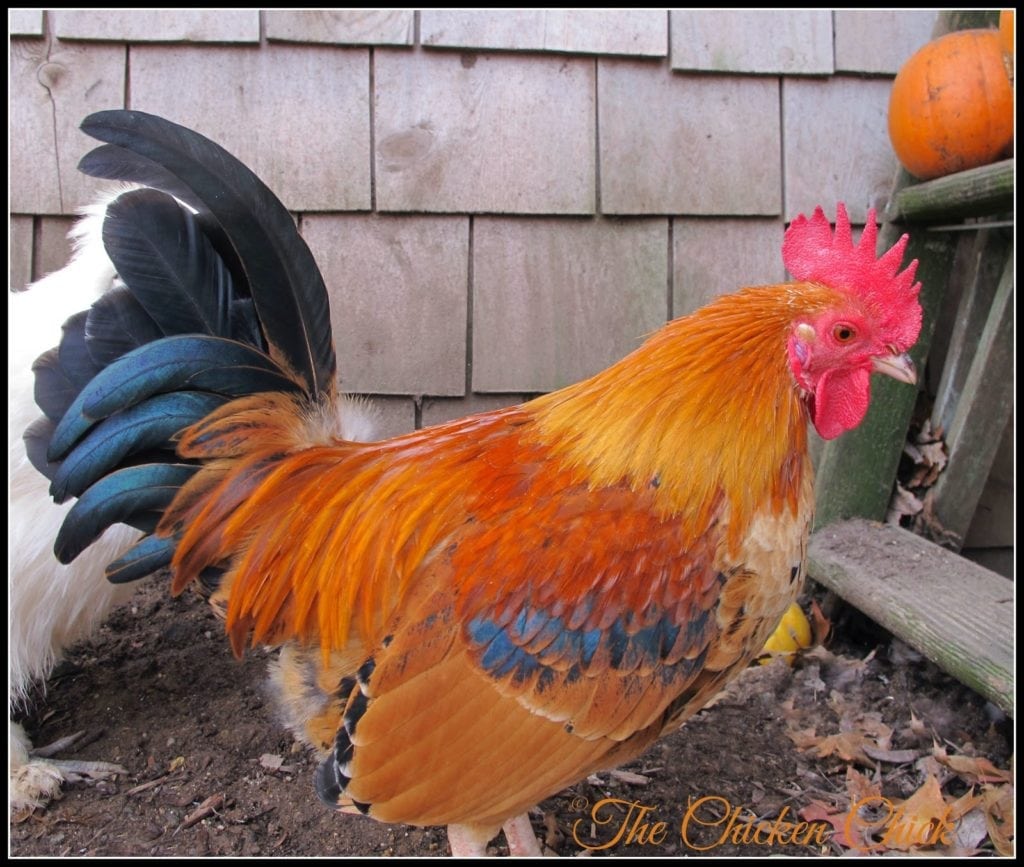
Frederick-Serama cockerel

Kathy Shea Mormino
Affectionately known internationally as The Chicken Chick®, Kathy Shea Mormino shares a fun-loving, informative style to raising backyard chickens. …Read on







Most roosters are not aggressive towards people, but when one is, what is a backyard chicken keeper to do? Nobody wants to live in fear of being flogged, attacked, spurred or chased by one of their pet chickens and no one wants a child to be hurt or traumatized in their backyard. It can be confusing and upsetting to have a cockerel who was raised from a day old chick, handled often and spoiled, suddenly become aggressive. There may be a temptation to believe that human-aggressive roosters are mean, nasty, bad, evil, hostile, hate people or there was something someone did to cause the unwanted behavior, but none of that is true.
Blaze, Black Copper Marans rooster
Sparky, Black Copper Marans rooster
THE ROOSTER’S JOB
Roosters essentially have two jobs within a flock: To Protect and To Service. Flock survival depends on his ability to protect the hens and preserve his genes by mating. Just as there are different ways for humans to perform a given job, there are different ways for roosters to protect their flocks. Heredity, hormones, breed and individual disposition all play roles in determining which young males become aggressive adults.
THE ROOTS OF ROOSTER AGGRESSION
Historical Context
Historically, chickens were domesticated for sport. According to the authors of “The Chicken, A Natural History,” cockfighting originated in the Far East, dating as far back as 500 BCE in Ancient Greece and the Roman Empire. Cockfighting did not begin to fall out of favor in most societies until the 19th century. Certain breeds have been selectively bred for cockfighting and aggression over time, so it is reasonable to expect those breeds to retain the genetics for such aggression. Cornish, Malay, Modern Game and Shamos are classic examples of fighting breeds.
Prey Animals
Chickens are prey animals, which predisposes them to being suspicious of novel things and to view the unfamiliar, sudden or strange as a potential threat to their existence. A rooster is constantly on alert watching and listening for potential incursions into his territory. When he perceives a threat, it is his job to protect and defend them by any means necessary, including chasing threats away and sacrificing his life fighting a predator. Prey animals do not think like predators (humans, dogs, raccoons, coyotes, etc). Survival is the name of the chicken game and the head rooster is in charge of ensuring flock survival.
Brutus, Serama rooster
Disposition
Every rooster is an individual with a unique personality, which may or may not meet any of the expectations for his breed. Any rooster of any breed can become aggressive just as any rooster of any breed can be a teddy bear.
Sparky, Black Copper Marans rooster
Hormones
Aggression typically becomes apparent in cockerels when they reach puberty, generally any time after four months old. Sexual maturity ushers in the full load of testosterone, which is a behavior game changer for some. Sometimes male chicks exhibit chest-bumping, tough-guy behaviors, but more often than not it becomes obvious when a cockerel reaches sexual maturity and his hormones approach adult levels. A cockerel cannot be raised not to be an aggressive adult. All the handling, cuddling, talking, treat-offerings and spoiling in the world will not overcome heredity, hormones and individual disposition.
Spartacus, Serama x Red Sex Link
Is it possible to teach a rooster not to be aggressive?
No. You cannot prevent or cause aggression in a rooster. A cockerel cannot be raised in a way that ensures they will not become an aggressive adult regardless of any claim to the contrary. It may be possible for some people to work with particular roosters to come to an understanding with them, working within their social structure and rules, however, it is an extremely time-consuming process that every human coming into contact with that rooster would need to complete. So, while theoretically the primary caretaker of the flock might be able to convince an aggressive rooster that they are not a threat to the flock after much conditioning, other people, particularly children will still be at risk of being injured, frightened and worse.
Human Code of Conduct
It is never appropriate to be violent or aggressive towards roosters, nor is it acceptable to attempt to intimidate, humiliate or shame them. Never grab, push, swipe at, swat, chase, hobble, leash, kick or hold a rooster upside down in an attempt to establish dominance- doing so simply serves to reinforce his perception of certain humans as threats.
Sylvio, Silver Laced Wyandotte rooster with Mr. Chicken Chick
What to Do with an Aggressive Rooster
Backyard chicken keepers who do not want or cannot keep an aggressive or territorial rooster in their flock should try to find him a home, preferably on a large property where his protective nature will be an asset to a flock.
Frederick-Serama cockerel



Please do not put your young children in harm’s way. Unless you are 100% certain of an animal’s behavior – and you have introduced and socialized your young child to that animal – exposing your child to danger is very risky. If you are not able or willing to properly raise or train an animal, please have someone else take over. Do not get animals if you are not willing or able to care for them. This includes training them. Unsocialized animals will express their fear and HARM your child. A rooster or hen can severely and permanently injure a… Read more »
PLEASE CALL ME – I SAVE ROOSTERS ALL BIRDS ARE TRAINABLE FOLKS!!!! I know because I have a 100% success rate. I can PROVE IT – just give me the problem. Sorry for the caps – but please do not give up on your birds. I am a professional world-renowned animal behaviorist. I can help you. Roosters must be trained and handled. Please learn how to care for and handle birds BEFORE you bring them into your home. If you need help with a rooster or need to rehome a male bird PLEASE contact me. 978-303-7577 We are a no… Read more »